

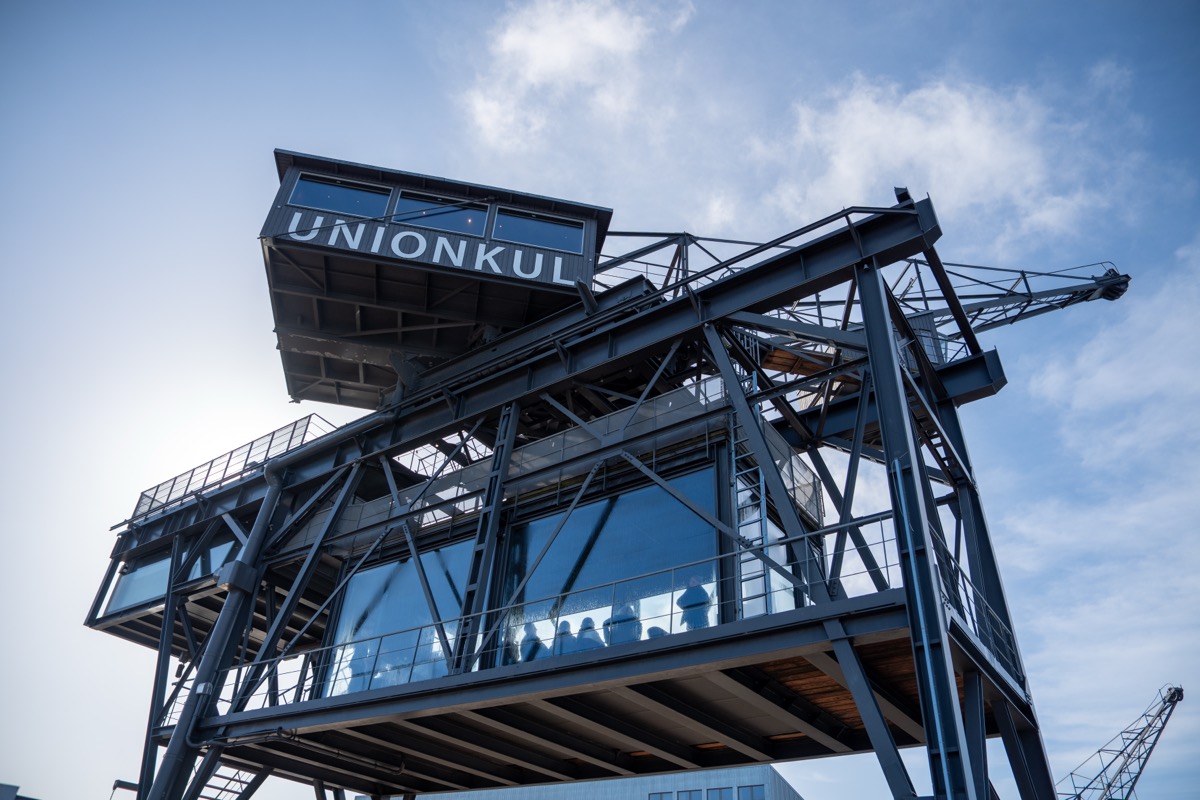

In partnership with Wonderful Copenhagen, the Destination Think team convened in that city with Collective members. There, we learned from shining examples in sustainability, and we brought home proven concepts to accelerate change.
Copenhagen has made some dramatic transformations over the past few decades. Today, the city is filled with inspiring and practical examples of sustainability in action, which makes it, like Queenstown, an ideal place to gather for an immersive adventure of learning and connection. Our gracious hosts at Wonderful Copenhagen – the team behind the CopenPay initiative and the standard-setting “All Inclusive” destination strategy – connected us with some of the experiences that best represent the transformation, and introduced us to the minds behind them. Copenhagen’s lighthouses showed us possibilities and pathways to real progress.
Related reading: 5 green themes from an energizing Forum 2025 in Queenstown
The city’s waterways are perhaps the most visible example of positive change. What was once an industrial harbour has been cleaned up and is now a popular swimming spot. From a vantage point above the shoreline, former Lord Mayor Jens Kramer Mikkelsen told us about the vision and the collective effort behind the harbour restoration and the development of green transportation infrastructure, which includes a metro system and bicycle-friendly roadways.
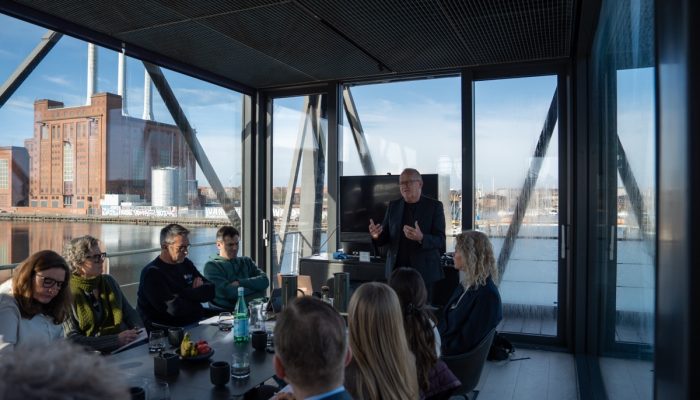
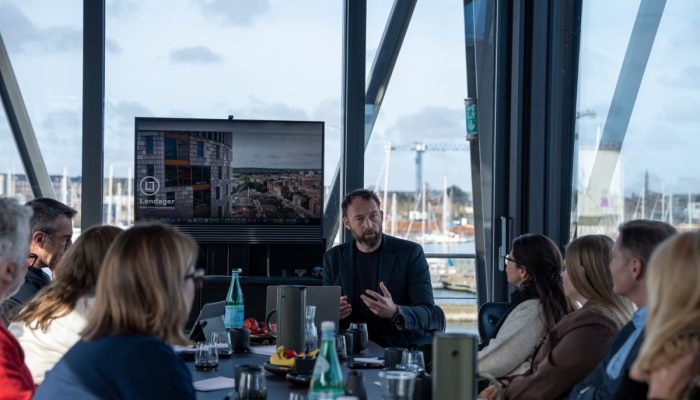
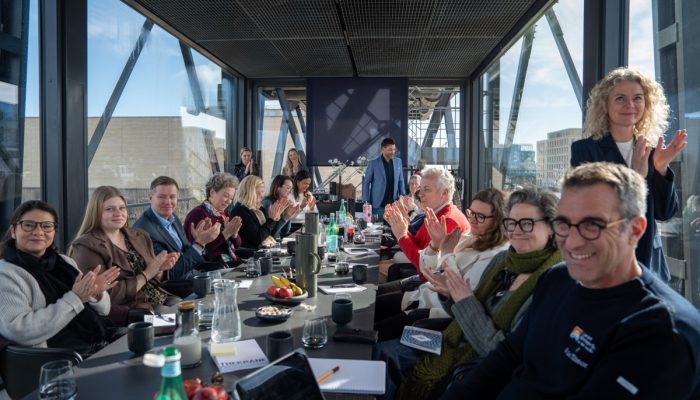
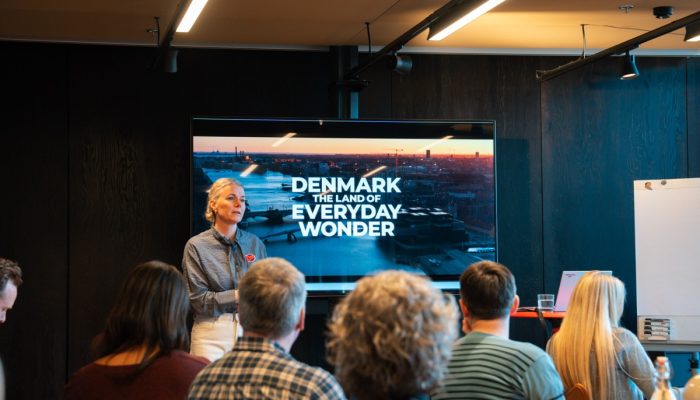
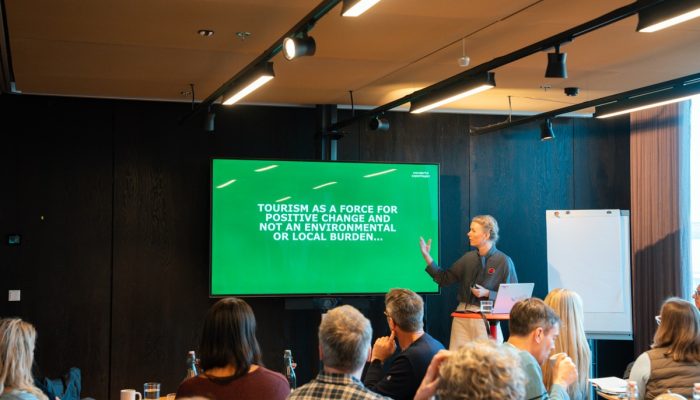
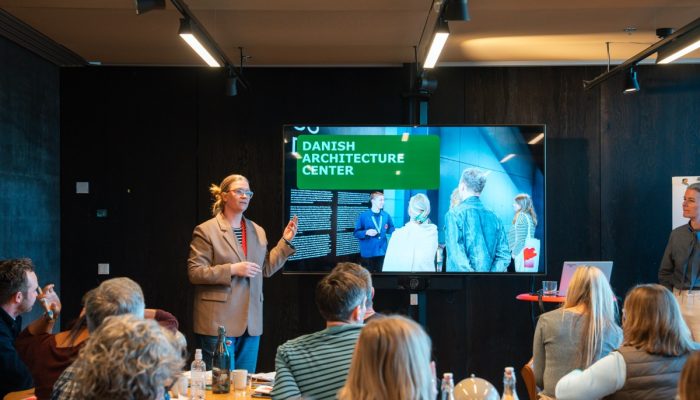
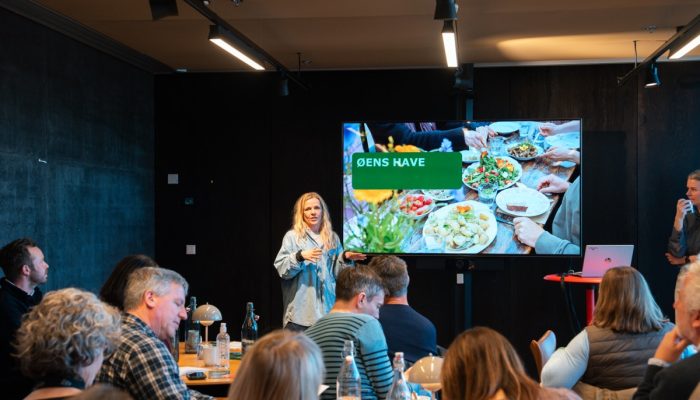
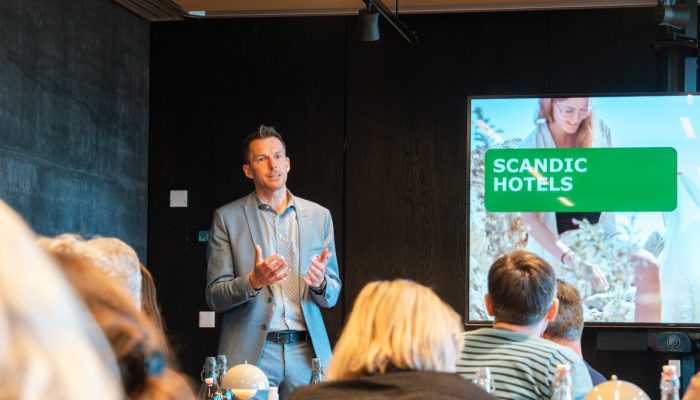
Copenhagen also leads in the energy, construction, and design sectors. Niklas Ahlefeldt-Laurvig, former CEO of Ørsted, showed us what the tourism industry can learn from that organization’s internal transformation, and how the change has enabled it to become the world’s first energy utility to fully transition away from fossil fuels. Architect Anders Lendager, a leading innovator in circular design, shared lessons stemming from his work that has created literal landmarks of progress in environmentally conscious construction. Another landmark is BLOX, a multi-use facility on the harbour front. Director Dorthe Barsøe told us how it has become a recreation destination while helping people understand sustainable architecture and urban development.
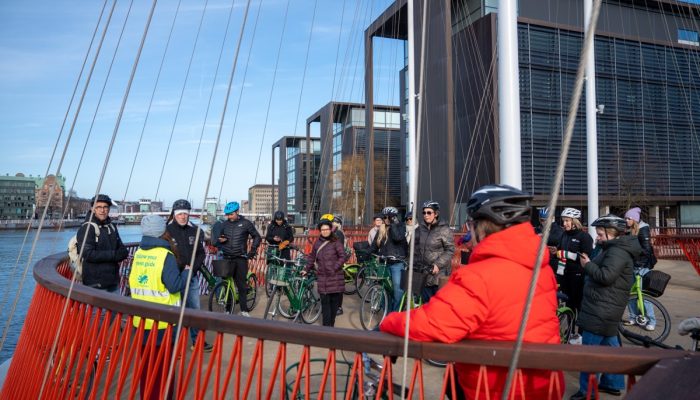
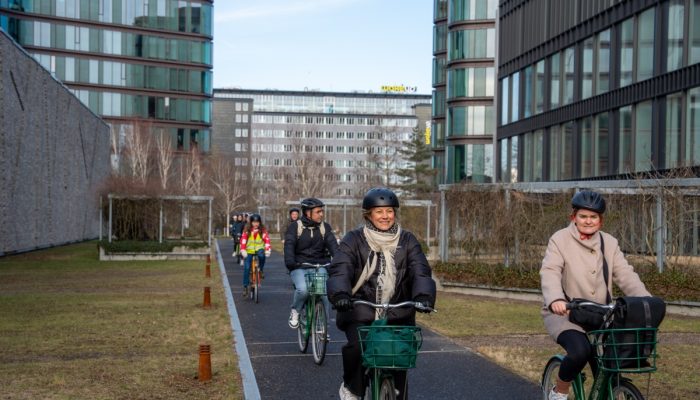
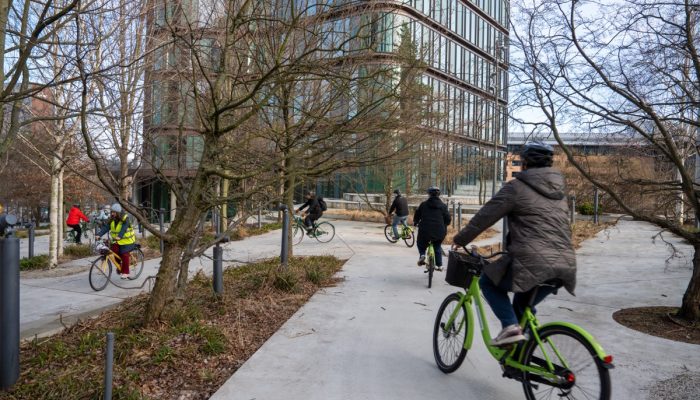
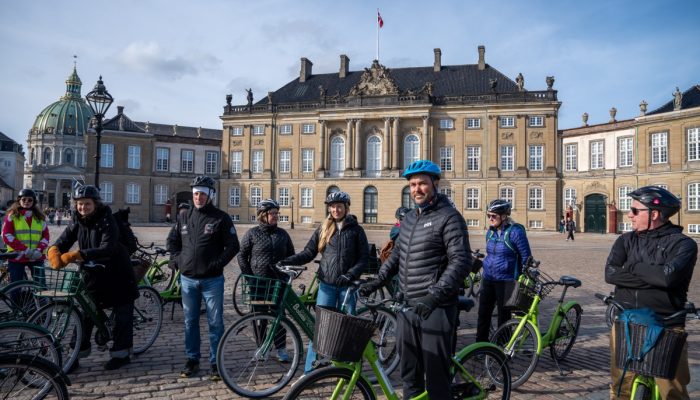
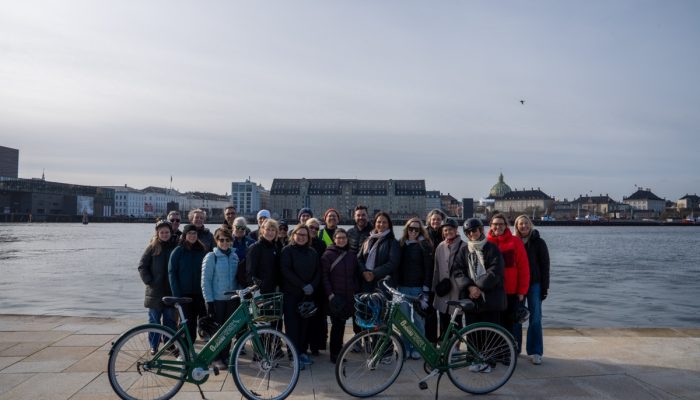
Thanks to partners of the CopenPay program, we also explored some of what makes Copenhagen a special place to live and visit. With Green Bike Tours, we cycled in the crisp spring air to hear about the area’s history and learn more about initiatives towards urban sustainability. As this tourism business educates and inspires visitors, it stands as a real example of building success on sustainable principles.
Other notable experiences throughout the week included:
- GoBoat, an electric boat rental company taking care of nature and its guests.
- CopenHill, the famous urban ski hill atop a waste-to-energy facility.
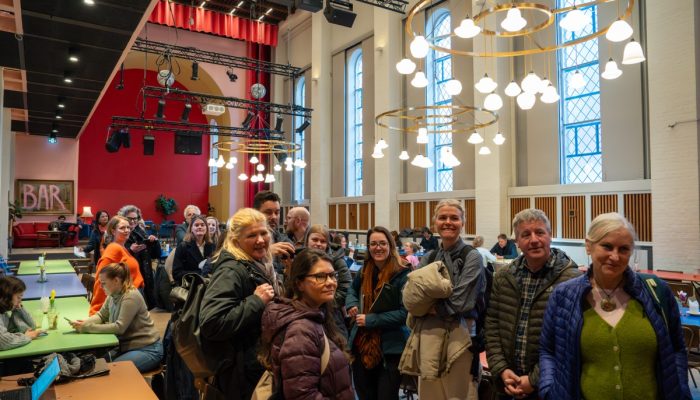
- Absalon, a community space that breaks down social barriers, which inspired us to design for human connection.
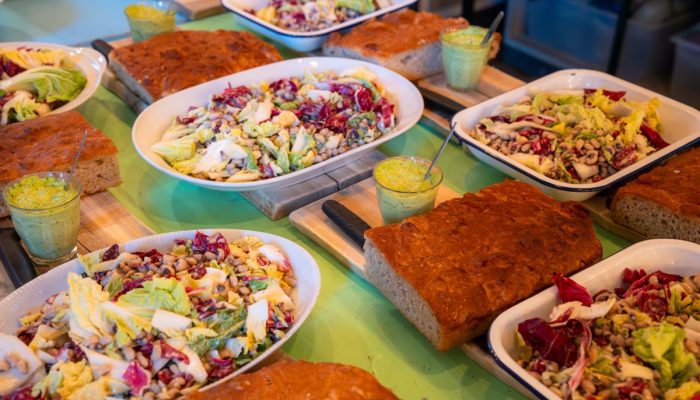
- Vaekst, a member of the Copenhagen Food Collective, with dining inside a greenhouse.
A few takeaways from our four days in Copenhagen
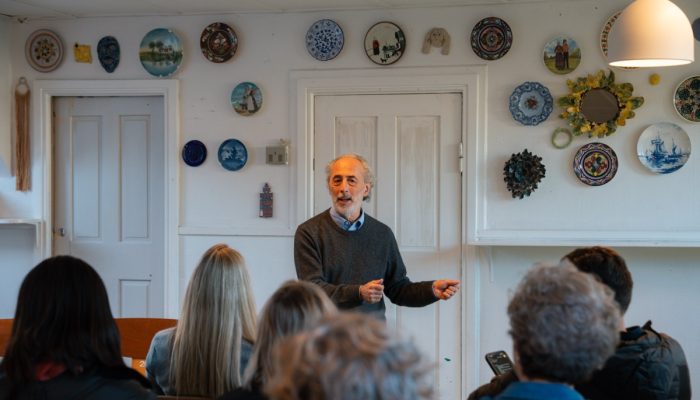
These have been just a few of the experiences and topics we covered. In a week packed with excellent conversations and sharing about everything from visitor behaviour to collaboration with government, here are a few lessons that bubbled to the surface.
- Don’t develop a destination. Create an incredible place to live, with a vision to support it.
- Programs like CopenPay can help to reposition the DMO as part of the solution.
- If you offer experiences locals love, you attract better-fit visitors.
- Design for human connection. Small operational choices in hospitality spaces – shared tables, shared plates, self-service, even removing social barriers – can create much richer social experiences. Creating places where people interact, belong, and connect is not a minor detail; it can be the core of what makes a destination memorable.
- Create lighthouses – the undeniable examples of possibility. Lighthouses matter because they shift the narrative. They don’t need to solve the whole problem.
- Destinations can stand for something. We saw an engaged tourism industry joining forces around sustainable principles. They’re using tourism to make the world better by making a better place to live first.
It was a special privilege to gather here with wonderful colleagues who are all pulling in the same direction. We returned home with pages of ideas, examples, and inspiration from people who demonstrate what destination leadership can look like when it is grounded in place, values, and possibility.
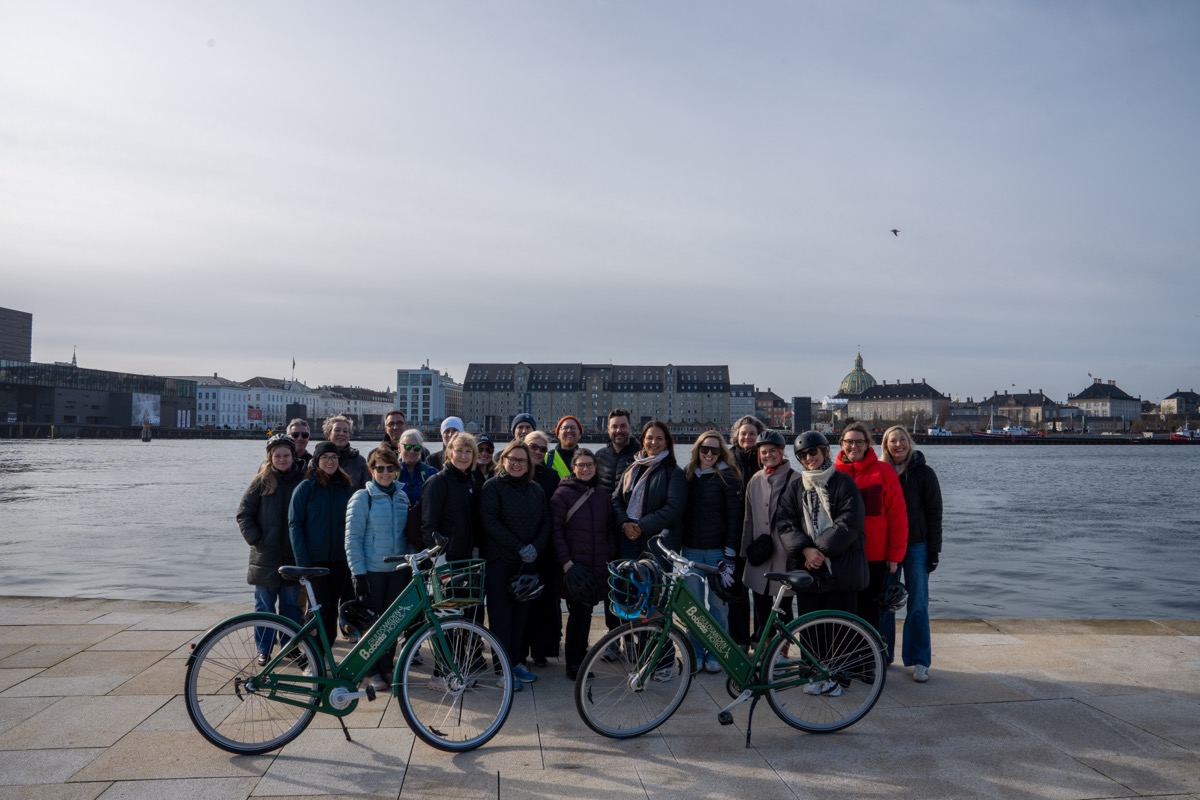
With thanks to Wonderful Copenhagen and to all who shared their time and thinking with us, including:
- Lena Ilkjaer, Head of Communications & Scriptwriter at Alchemist
- Dorthe Weinkouff Barsøe, Director at BLOX
- Line Barfod, Mayor of the Climate, Environment and Technical Administration at the City of Copenhagen
- Jens Kramer Mikkelsen, Former Lord Mayor of Copenhagen
- Kasper Eich-Romme, CEO at GoBoat
- Helene Hjortlund, Founder at Green Bike Tours
- Anders Lendager, Creative Director at Lendager
- Niklas Ahlefeldt-Laurvig, former SVP / CEO at Ørsted & Chief Commercial Officer at Green2x
- Søren Tegen Pedersen, CEO at Wonderful Copenhagen
- Rikke Holm Petersen, Director of Communication, Marketing & Behavior at Wonderful
Copenhagen - All of the CopenPay partners.
- And everyone who attended and contributed in other ways.
You are the lighthouses guiding us onward.
To learn more from the Destination Think Collective, subscribe to our newsletter, DMO Matters.
Photo credits: Mark Tanggaard, Wonderful Copenhagen



0 Comments