

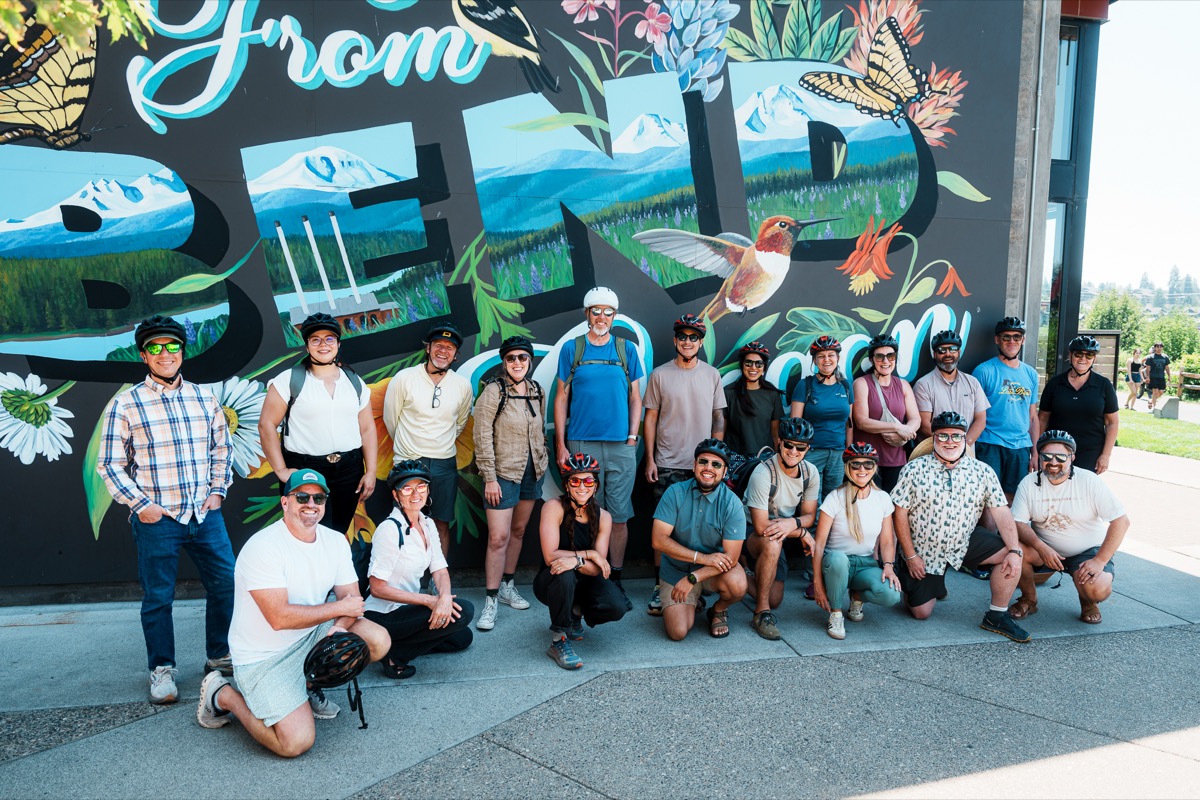

In Bend, Oregon, we saw that destination organizations can accelerate stewardship by creating the conditions for change.
So you want to work on destination stewardship. Maybe tourism and sustainability have become a live issue in your town, and your neighbours suddenly aren’t sure that tourism is doing good things for their community – not like this, at least. Something has to change, whether it’s communication, policy, tangible improvements on the ground, or all three.
In this scenario, look to those lighting the way.
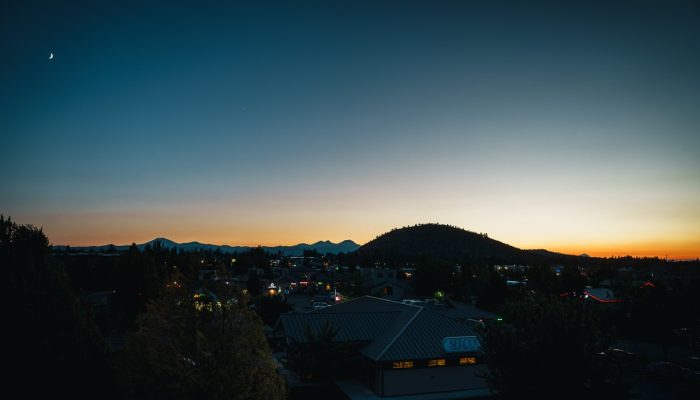
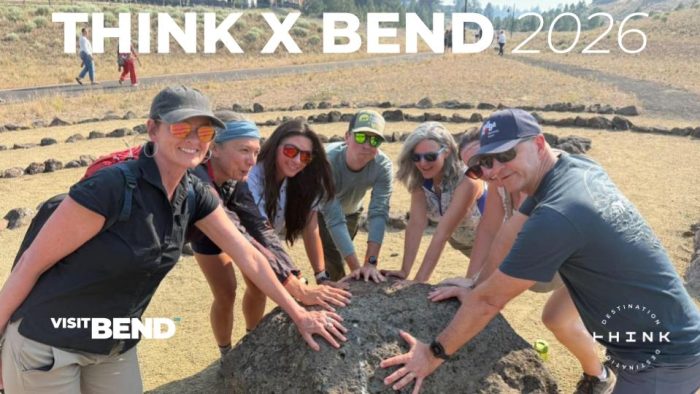
Our team travelled to Bend, Oregon, joining Visit Bend to host Destination Think’s first North America-based Think X event in July 2026. Over four days of immersive learning, the destination organization and the people of Bend showed us how tourism is creating the conditions for stewardship and community care. Like our previous events in Queenstown and Copenhagen, this was a gathering of exceptional destination leaders committed to stewardship and using tourism as a force for good. Many of them are part of the Destination Think Collective. Participants joined us from Florida, Indiana, Utah, Wyoming, British Columbia, Jasper, Aruba, Sweden, the Isle of Man, and beyond. And, like events past, this destination was filled with inspiration and lessons for everyone to take back home.
One phrase we heard throughout the week was, “We can only move at the speed of trust.”
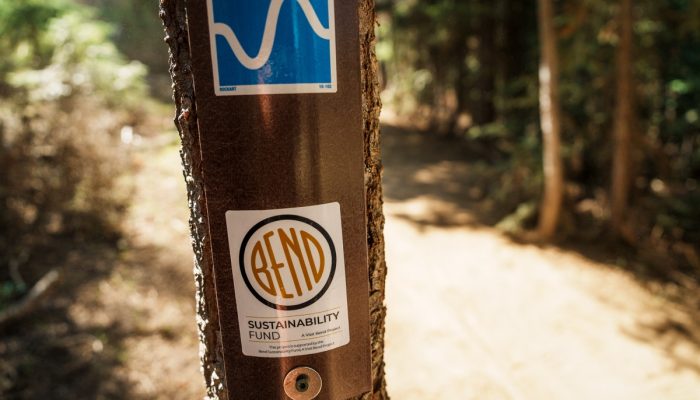
In Bend, Oregon, we saw what happens when a destination organization intentionally uses tourism as a tool to create broader community value. One of the most significant actions Visit Bend has taken is in developing two community funds: The Bend Sustainability Fund and the Bend Cultural Tourism Fund. As Chief of Staff Nate Wyeth told us in a previous story, Visit Bend reinvests a large portion of its budget back into the community through these funds.
Further reading: How Bend vacations are building a city people want to live in
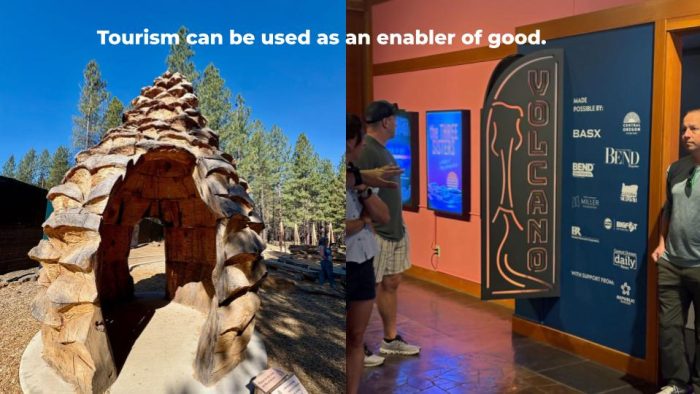
We visited several grantees and projects funded by Visit Bend. For example, the Natural Playscape at the High Desert Museum is a new play area for children that supports environmental education and cultural tourism. The Discovery Park Art Corridor created by NWX2 and the Bend Park and Recreation District brings Indigenous-led public art, educational interpretation, and more accessible art experiences to Bend.
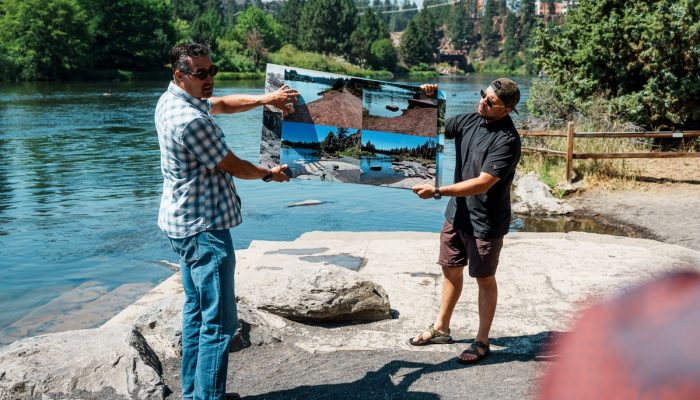
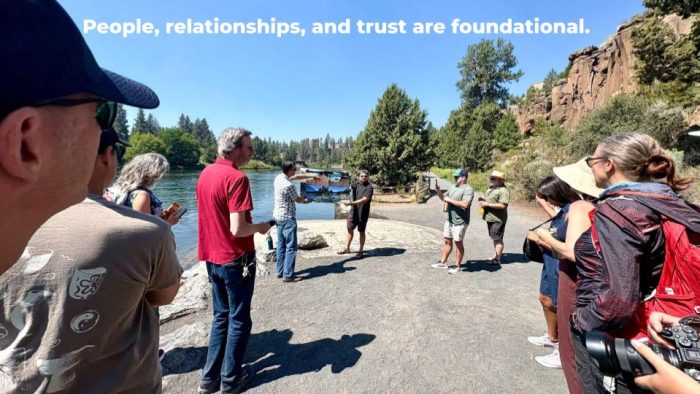
Some projects are focused on conservation and outdoor adventure experiences. Upper Deschutes Watershed Council joined us at the water’s edge to tell us about the restoration of habitat on the Deschutes River and how they are working to provide access to that river sustainably. At the Wanoga Infield Bike Park, we learned how trail stewardship, advocacy, and infrastructure investment are improving access to Bend’s mountain biking network through purpose-built trails and skills areas.

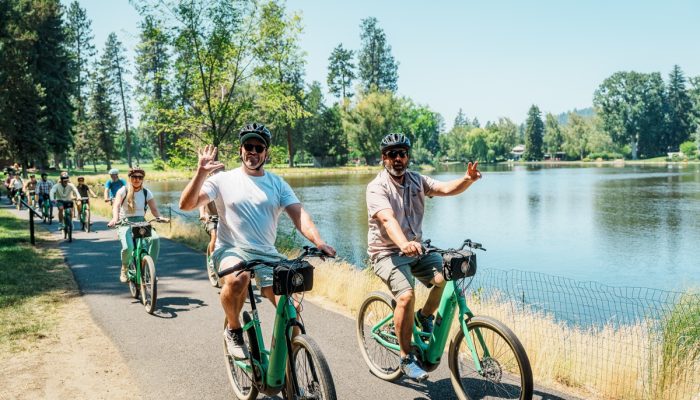
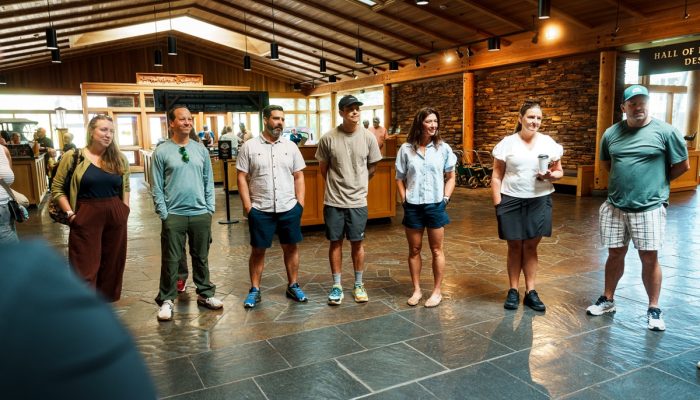

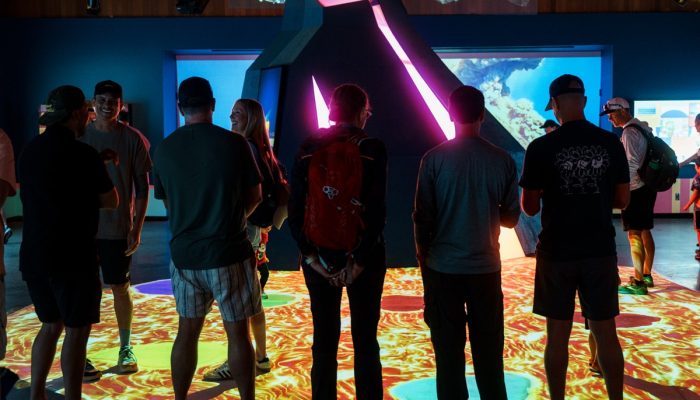

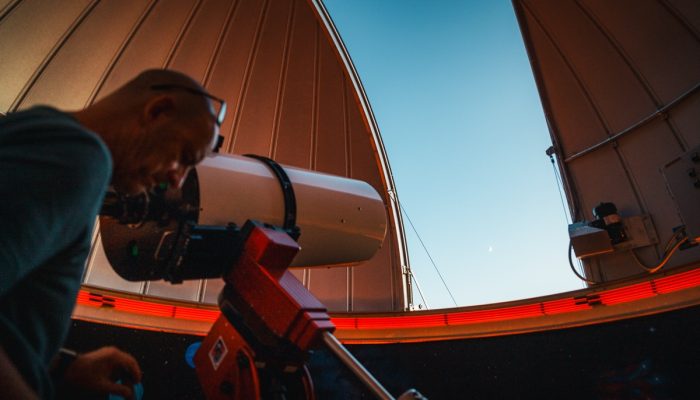
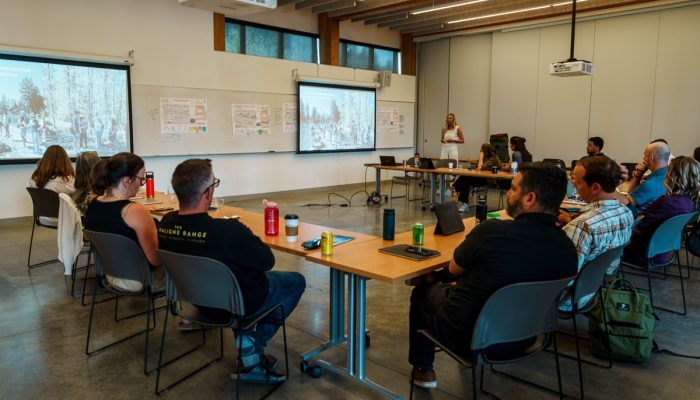
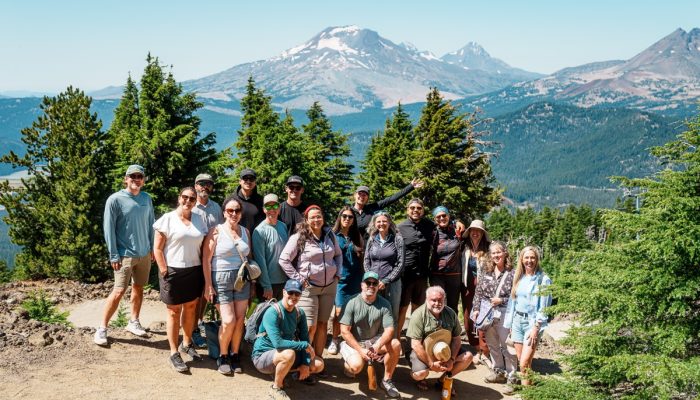
Through many experiences like these, we began to see the bigger picture of tourism’s impact in Bend and share our observations. Todd Montgomery from Oregon State University’s Sustainable Tourism Lab helped us put the pieces together during a workshop he facilitated on our final day in Bend. Todd’s area of focus is resident sentiment and policy. He showed the negative effects that sometimes result when tourism leaves an area. Communities feel new kinds of strain as they lose opportunities, and investors are left holding assets that lose value. He shared that it can be useful for destinations to adopt the mindset of an asset manager when considering the many benefits, risks, and trade-offs that come from tourism as an economic sector.
Here are some more takeaways from our time together.
Themes from four days at Think X Bend
People, relationships, and trust are foundational to destination stewardship. No matter the topic, from watershed restoration to adaptive recreation, this week’s speakers consistently returned to the same point: This work is always about people. A project does not need to solve the whole problem to be powerful; it can shift the narrative, expand what people believe is possible, and catalyze broader action. One phrase we heard throughout the week was, “We can only move at the speed of trust,” and this became one of the defining lessons.
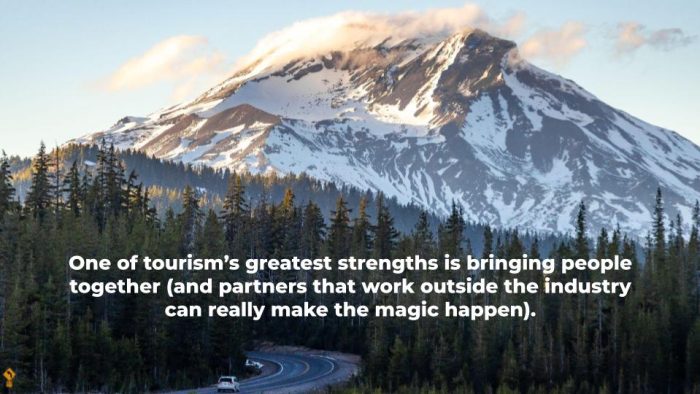
One of tourism’s greatest strengths is bringing people together. And often, partners working outside the industry can really make the magic happen. Many of Bend’s most inspiring on-the-ground examples are not limited to tourism. They aren’t necessarily led by Visit Bend or a tourism operator. Instead, they involved organizations working in areas like conservation, forestry, recreation, education, accessibility, arts and culture, public works, watershed management, housing, local business, and community development. Visit Bend has been effective at bringing people together across sectors in its role as a connector, storyteller, convener and trusted partner. This is a model other destinations can emulate.
The question shifted from “How much tourism?” to “What can tourism enable?”
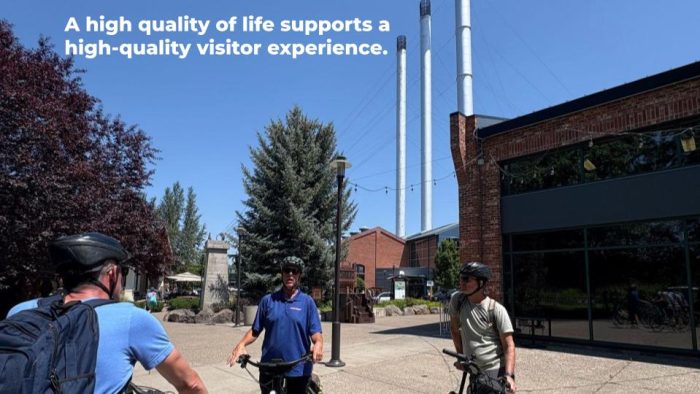
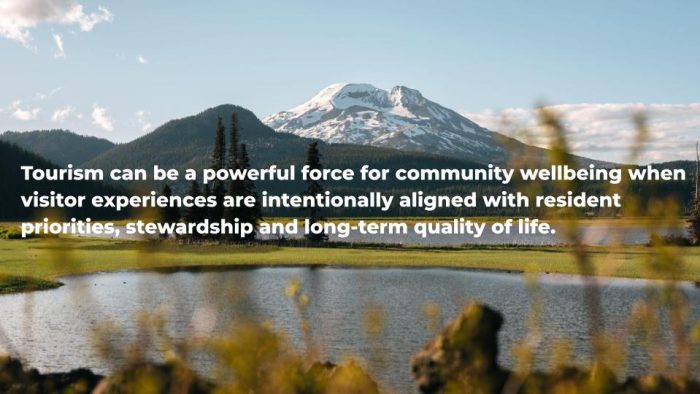
Tourism can be used as an enabler of good. This industry can create the conditions for communities to solve challenges together. In Bend, we saw that tourism enables amenities for locals and residents through investment. Visitor spending has been directed into conservation, recreation, accessibility, environmental restoration, arts, and community infrastructure. The question shifted from “How much tourism?” to “What can tourism enable?” And a high quality of life supports a high-quality visitor experience.
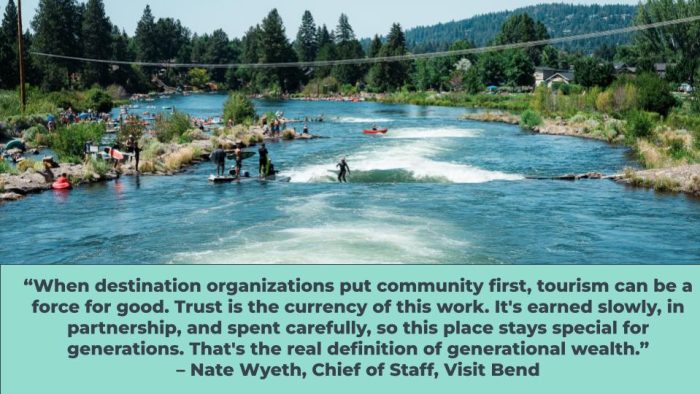
Well-designed recreation protects ecosystems. People love to spend time at the Deschutes River, but recreation took a toll on the ecosystems at the river’s edge. To help protect the shorelines, swimming areas were installed to invite people to visit specific locations. Now, protected shorelines are in place with native species that help keep the ecosystem thriving. Bend used a similar idea to protect local trails and forests from rogue mountain bike trails. Rather than asking, “How do we stop people riding here?”, the question became, “How do we create enough high-quality recreation opportunities that people naturally spread across the landscape?”
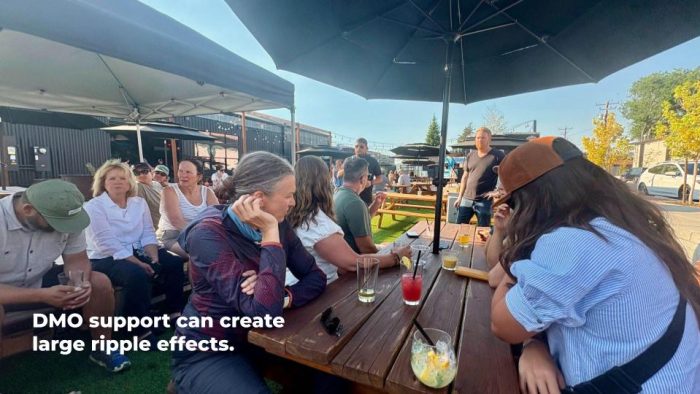
DMO support can create large ripple effects. Don’t underestimate what is possible. With the right partnerships, small investments can cause transformation. Sometimes, one grant, volunteer day, trail, or relationship will have a long-term impact. For example, the Bend Sustainability Fund grant for The Catalyst, a new public gathering space, enabled the developer to get a bank loan. It’s just one way that Visit Bend’s support and their collaboration with the city have blossomed into something much bigger.
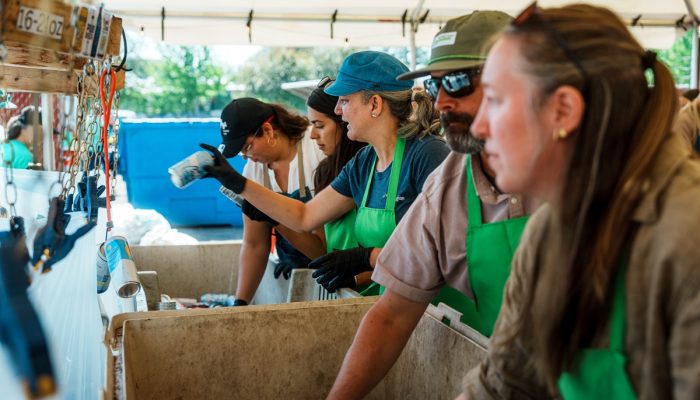
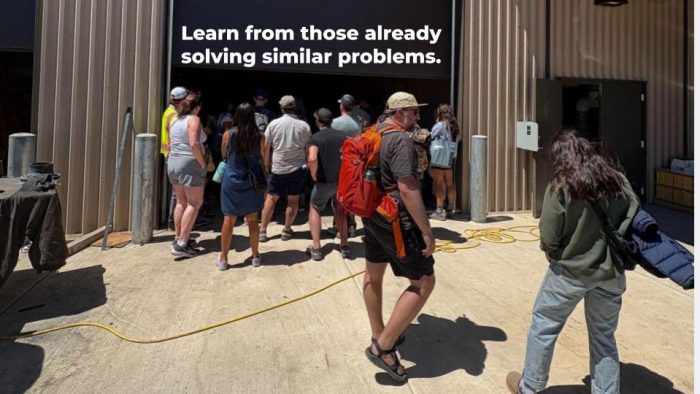
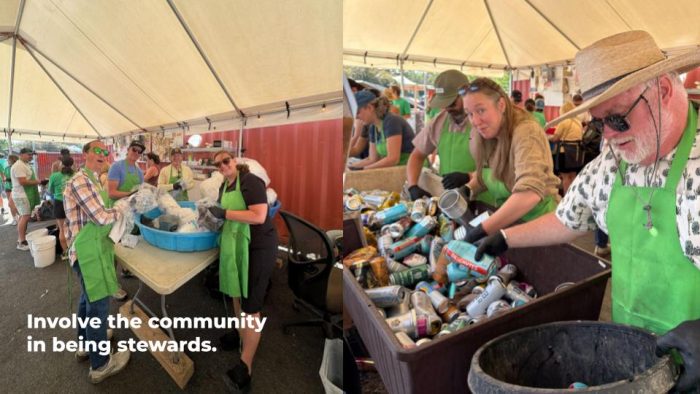
Involve the community in becoming stewards. In many of the projects we saw, locals are active participants rather than spectators. Residents plant trees, students monitor streams, volunteers restore habitat, cyclists build trails, and businesses contribute to stewardship. (Our event-goers pitched in at a waste recycling facility run by the Green Team at The Hayden Homes Amphitheater.) Because stewardship has been created with the community rather than delivered to it, they feel more invested.
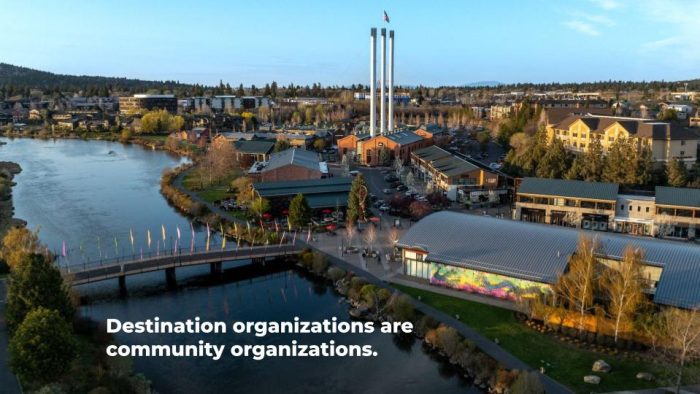
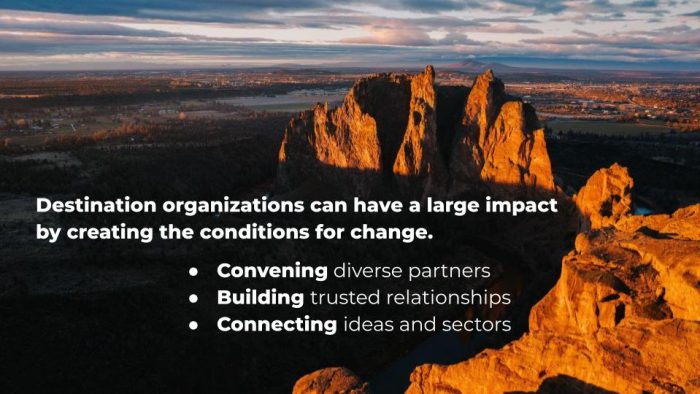
Ultimately, destination organizations can accelerate stewardship by creating the conditions for change. Visit Bend showed us how with the fruits of its labour: the visible community projects and the relationships they’ve built across sectors. One idea seeds another. The future belongs to destination organizations that can convene, connect, and inspire others to act together.


Credits
Many thanks to the Bend operators and organizations that made our event possible, including:
- Bend Parks & Recreation District
- Brooks Resources Corporation
- Central Oregon Trail Alliance
- City of Bend
- Discover Your Forests
- Dogwood
- Hayden Homes Amphitheater
- High Desert Museum
- Mt. Bachelor LLC
- NWX2: Discovery West
- Old Mill District
- Oxford Hotel
- Petrich Properties
- Upper Deschutes Watershed Council
- Wheel Fun Rentals
- Worthy Brewing
We send a special thank you to Professor Todd Montgomery from Oregon State University’s Sustainable Tourism Lab for expertly facilitating our final workshop at Oregon State University Cascades.
To Jeff Knapp, Nate Wyeth, Zavier Borja, Sarah Akbari, and the entire Visit Bend team: Thank you for lighting the way.
Want to learn more about tourism in Bend? Hear our interview with Visit Bend Chief of Staff Nate Wyeth on Travel Beyond.
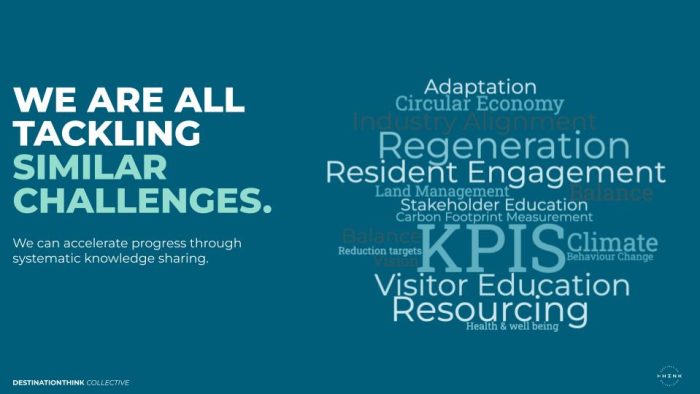
Learn more about the Destination Think Collective, a global alliance of ambitious, forward-thinking travel leaders who are collaborating to ensure that tourism serves their communities, not the other way around.




0 Comments